
One current focus of interest in our lab, surrounds experimental transplants of colonies. We have a large amount of observational data, across almost three decades of research that details the relationships between the environment, colony attributes and colony fitness. We are using experimental transplants to construct colonies with known attributes, transplant to controlled nest sites and measure the success of these colonies through time.
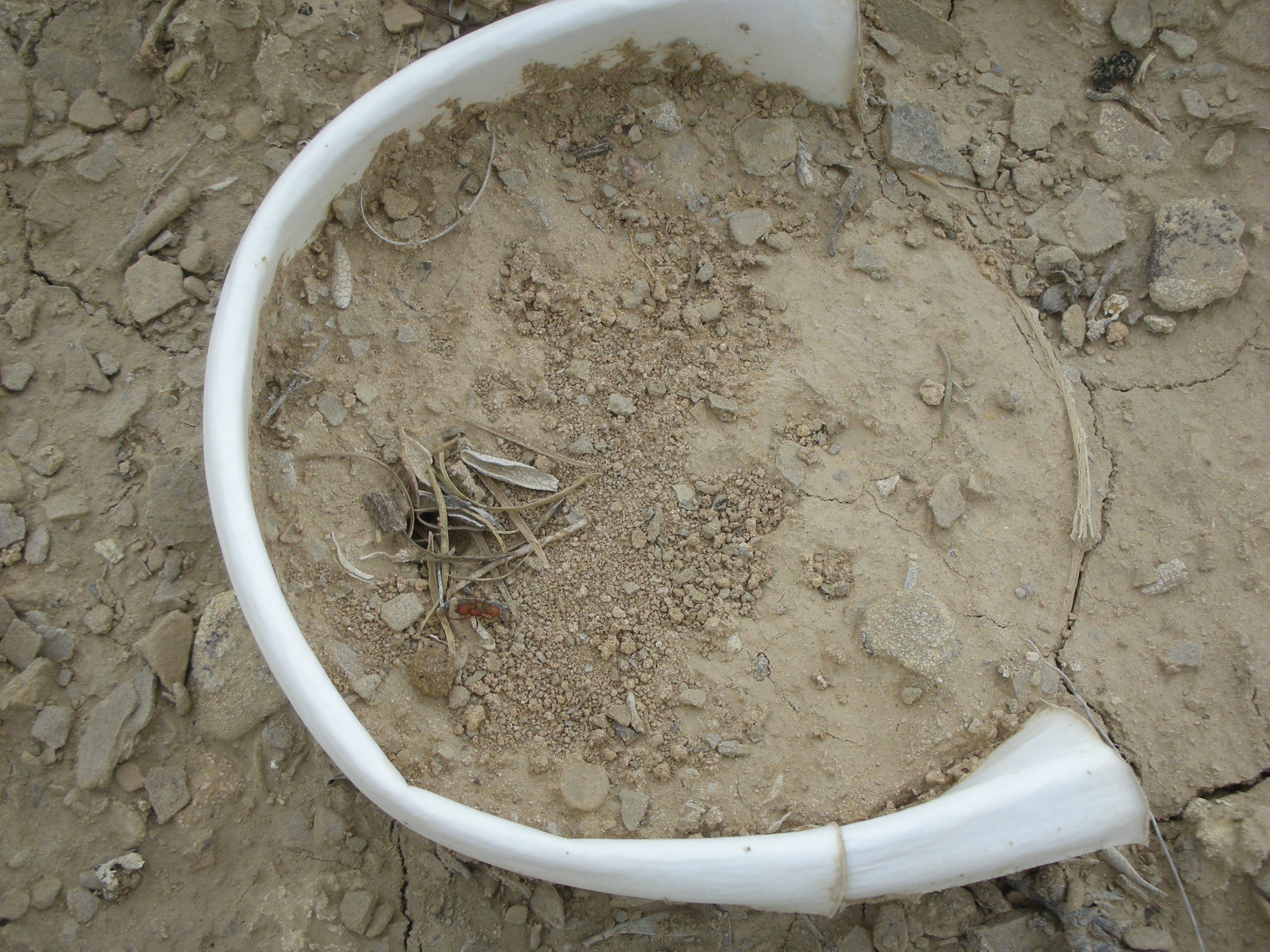
We construct colonies by pairing queens and males, usually from known colonies, allowing them to mate with varying frequency, and ‘planting’ them into known locations. These transplants were begun in 2014, so some colonies are now about five years old. We monitor their survival and growth of colonies. None of the colonies are old/large enough to begin reproducing, but monitoring reproduction will be a part of future research.

Colonies are monitored daily when newly transplanted, and weekly thereafter. We attempt to modify the quality of habitat for colonies by providing a food supplement. Some colonies are founded with queens that mate a single time while others have queens that have mated multiple times. We are attempting to experimentally disentangle the effects of habitat quality, mating frequency and the quality of the source lineage of colonies.

We manipulated the mating frequency of colonies, the food that they received and the origin of the queens that founded the colony. These factors influence the survival of colonies in a complex way. Although it would seem that having additional food would lead to greater survival, this is not generally true in the youngest colonies. Sometimes additional food makes them the target for depredations from prairie dogs or kangaroo rats. However, those colonies that do survive grow much more quickly when they receive additional food. This leads to greater survival and longer lifespan.
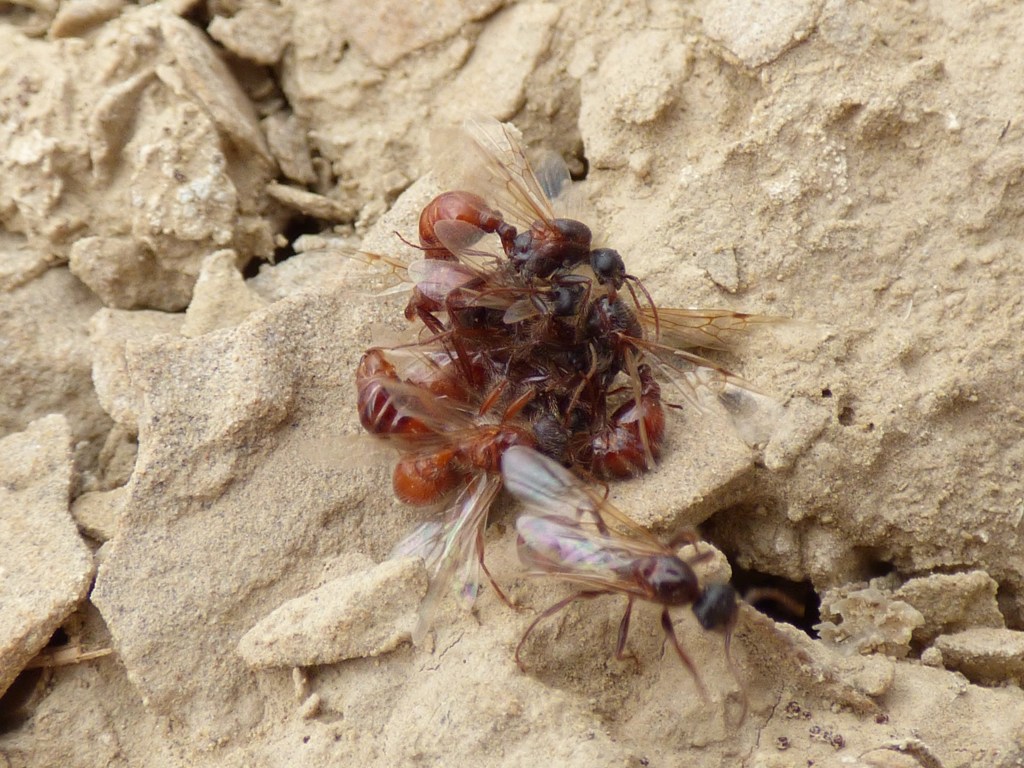
Mating frequency has a substantial impact on the survival of colonies over the first years of their life. This reflects the advantages that we have seen in mature colonies when they have more mates, but has never been shown in juvenile colonies before. The strength of the advantage of multiple mating seems to grow with time. For the first paper describing the results of this experiment see Cole, et al 2022. It is about the factors that influence early survival of colonies. The second paper, Wiernasz and Cole 2022, demonstrates the advantages of multiple mating and shows that the selective advantage of multiple mating begin to manifest after about three years of age.
 Cole - Wiernasz Lab